
BIHU is the most important cultural festival of Assam, a North-Eastern state of India. It celebrates the agricultural cycle as well as the spirit of community, joy and renewal. Bihu is an irreligious festival and brings people together to join in the traditional Assamese celebrations of song and dance. All Assamese people celebrate it, irrespective of caste, creed, religion, specific faith, or belief.
There are three main Bihus during the year:
- Rongali (Bohag) Bihu – April – New Year and spring celebration
- Kongali (Kaati) Bihu – October – Reflection and prayer
- Bhoghali (Maagh) Bihu – January – Harvest and feasting
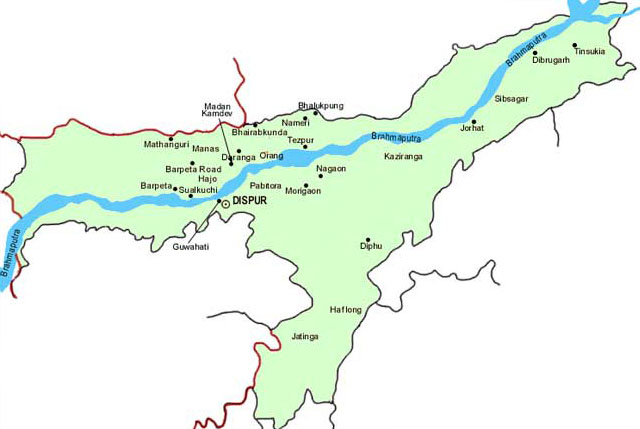
WHERE IS ASSAM?
Assam is a state located in the most North-Eastern part of India. The people of Assam are known as Assamese and they have their own Indian language also called Assamese.
Assam is famous for its emerald tea gardens, rich biodiversity. The mighty Brahmaputra (Luit) which sweeps through valleys of State, enriching its landscape and way of life. Assamese cultural heritage has evolved over centuries, expressed through music, dance, the weaving of native silks, and traditional craftsmanship. At the heart of this heritage lies Bihu – festivities deeply connected to the rhythms of agriculture, nature, and community life.
RONGALI BIHU or Bohag Bihu is celebrated on 14 April marking the Assamese New Year and the arrival of spring. It is the Bihu of ‘rong’ or merriment and cheerfulness. It is one of the biggest festivals in the Assamese calendar and aligns with the preparation of fields for the seeding of rice paddy and other crops. In Assam, this Bihu is a seven day festival of song, dance and feasting with friends and family.
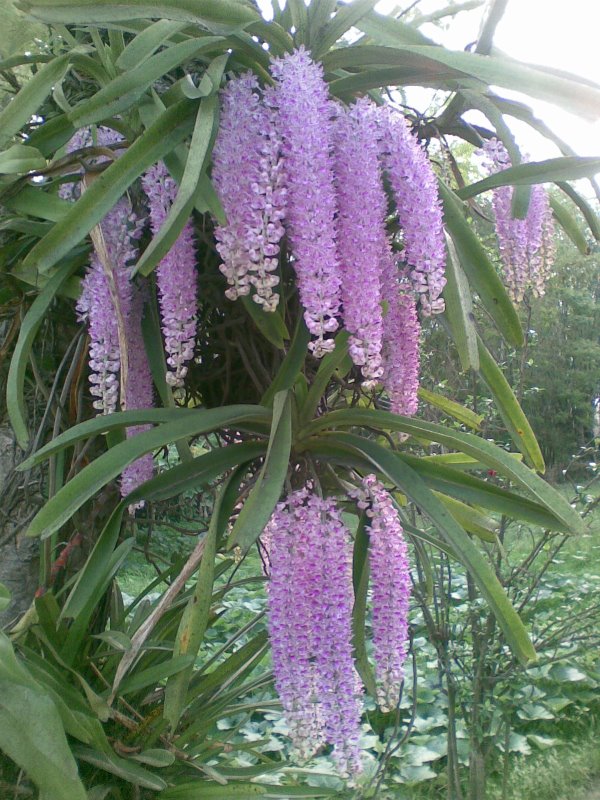
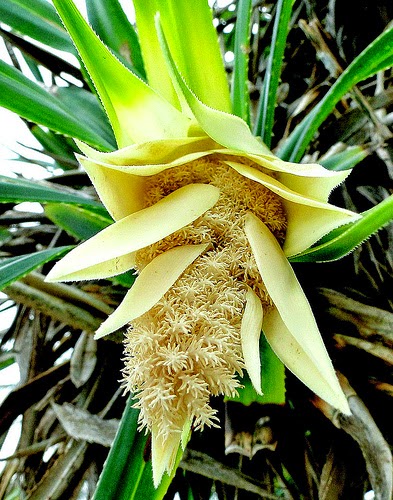
The valleys are vibrant with colour and the air is filled with the sweet fragrance of exotic spring flowers, such as Kopou Phool, Keteki, and Nahor. The skies are filled with the joyous songs of migratory birds, such as Kuli and Keteki.
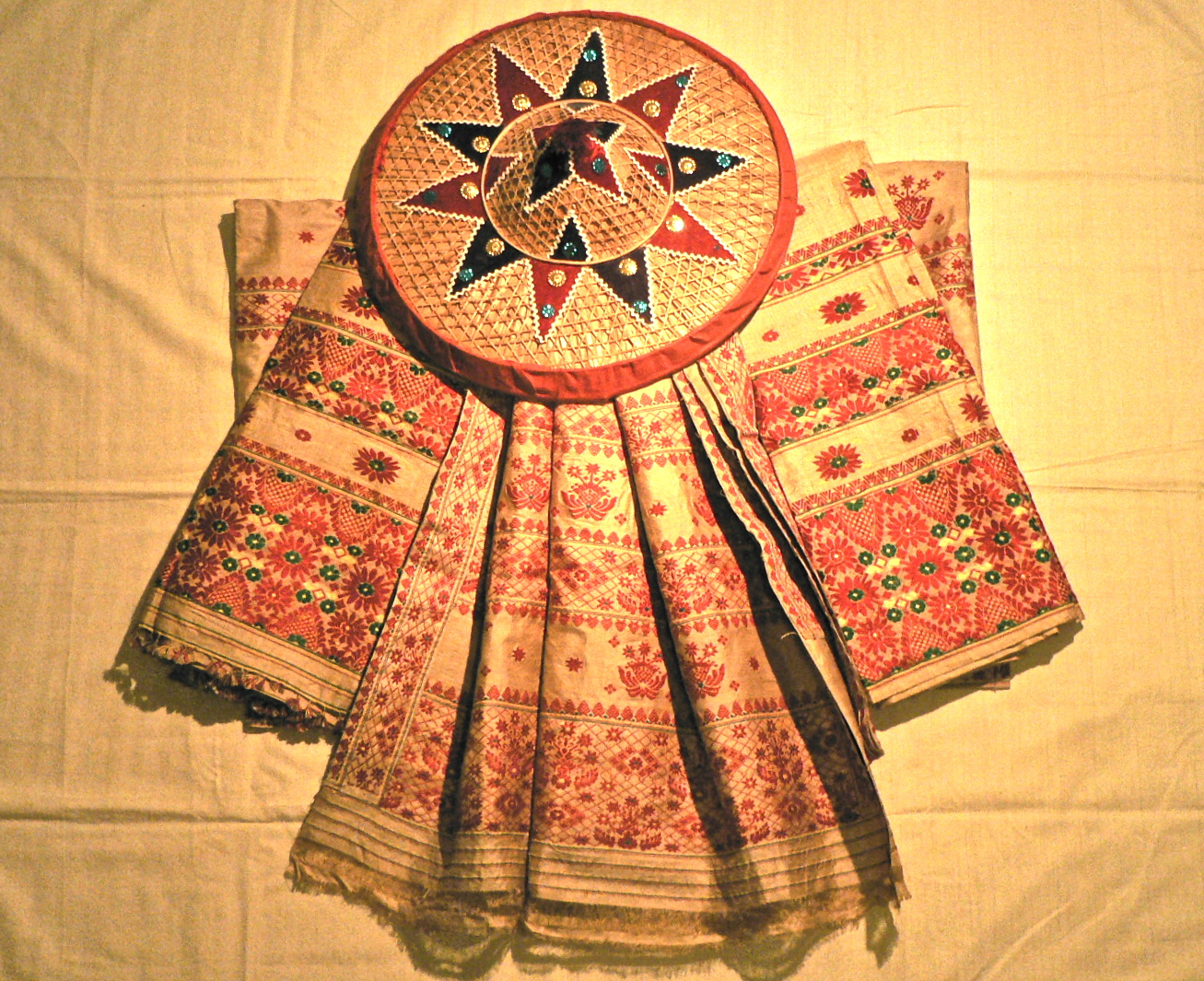
Women busily weave Gamosas and Mekhela Chadors (the traditional Assamese 3 pieces costume) – to wear and gift. There is also an abundance of traditional snacks called ‘Pithas’ such as Til, Ghila, Sunga, Monda, Tekeli Pithas and Laroos (different kind of snack made out of rice flour, coconut, molases or sugar)
The first day – 14 April – is known as Goru Bihu. Cattle and livestock are taken to the river or pond to bathe in with Mah-Haldhi (paste of turmeric with different types of pulses). Livestock receive new tethering ropes and the animals are allowed to roam free in the fields. Cows are gently struck by sprigs of plants called Dighalati and Makhiyati. They are blessed with the recital – “lao kha bengana kha, bosore bosore barhi ja –mar xoru, baper xoru, toi hobi bor bor goru” (blessing the livestock to grow year by year, better than their parents).
The second day is known as Manush Bihu (‘Human Bihu’, celebrated on 15 April). Men, women and children to celebrate. The community comes together to visit one another. New clothes are worn whilst visiting friends and relatives. Delicacies are prepared in advance for every household to feast upon. There is always an emphasis on settling old quarrels and differences and starting the New Year afresh. Hand-woven Gamosas are made as presents for friends and family alike.
During the festivities, traditions include young people from the villages travelling in groups. The girls are dressed in beautiful traditional Assamese attire. They sing Bihu songs of love and romance. Such gatherings are called Mukoli (open) Bihu.
Husori is a dance performed as part of the celebrations. Dancers form a ring and start beating a ‘Dhul’ (drum) to announce their arrival at a household’s gate. Traditionally, the Husori is performed only by men, but in recent years women have also taken part. After the Husori, householders thank the performers with a small token of money. They place it in a Xorai with Tamul Pan (beetle nut and beetle leaf). The household are in return blessed with a prosperous new year.
The Bihu Geet (Bihu Songs) is the most significant folk songs sung during the festivities. The Bihu Naach (Bihu Dance) is an exciting, sensuous body movement using hands, palms of the hands and hips. Young boys and girls perform it, wearing traditional Assamese garb. The Bihu Geet is accompanied by Dhul, Taal (cymbals) Pepa, Gogona, Baanhi (flute) Toka Xutuli (musical instrument made out of bamboo).

KAATI BIHU or Kongaali Bihu (mid-October) coincides with autumnal ‘equinox’. This Bihu marks the completion of the sowing season. The fields are lush green. Saki (earthen lamps) are lit in the flourishing paddy fields. Prayers are offered so that farmers are ensured a high-quality crop. A saki is also lighted around the base of the Tulsi (sweet smelling plant) in household courtyards.
MAGH BIHU or Bhogali Bihu (mid-January), is derived from the word ‘Bhog’ meaning ‘eating’ or ‘gratification’. This festival marks the end of the harvesting period. This Bihu is mainly a thanks-giving once crops have been harvested, fields are empty and Bhorals (barns) are full. On the eve of Bihu, women focus on preparing rice-cakes. Meanwhile, the men build a temporary shelter in the open and collect firewood for a Meji (bonfire). The bonfire is erected in barren fields and the community gathers around it after collecting hay and bamboo. It is ritually lit after a long night of big Bhoj (feast) and merriment.
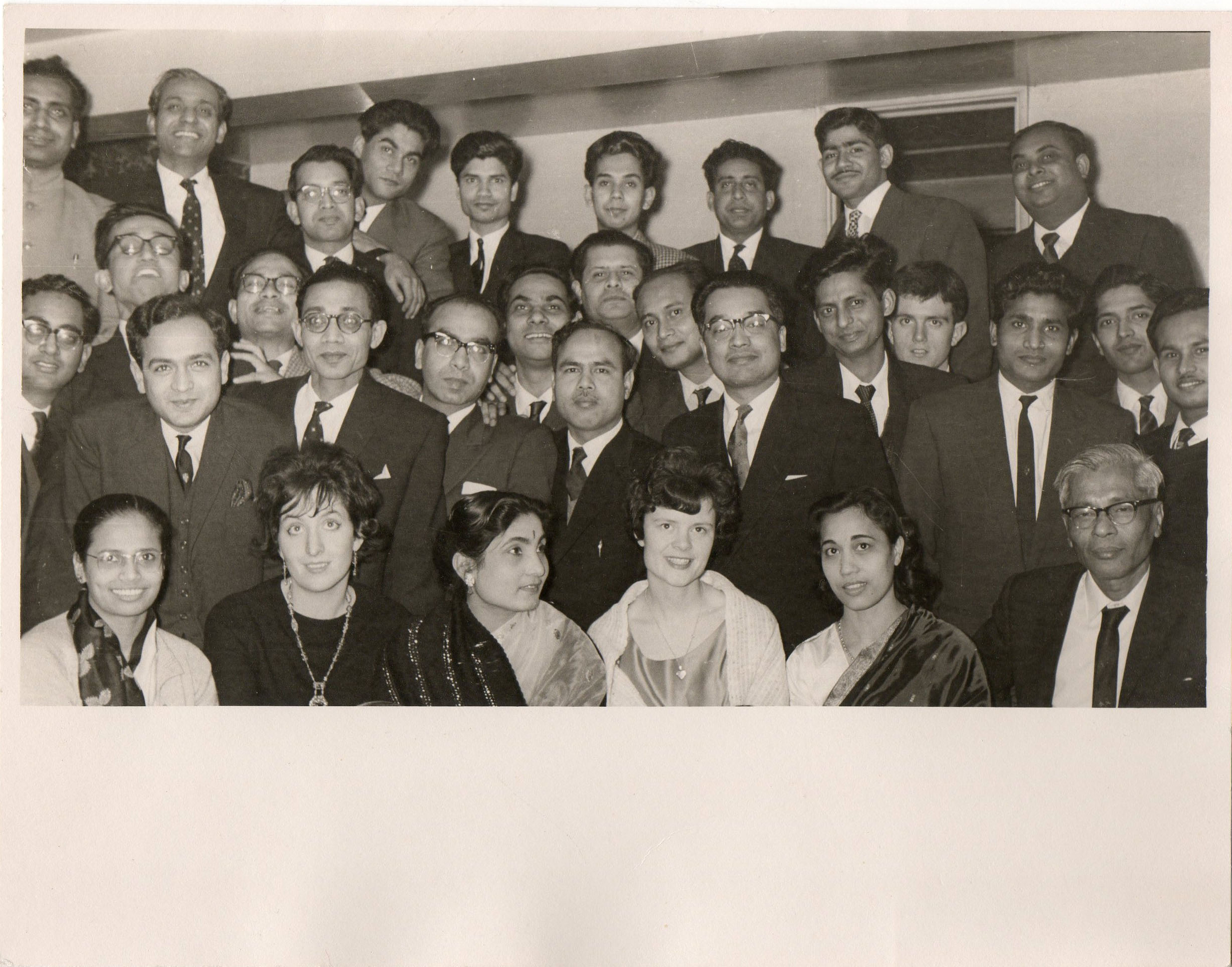
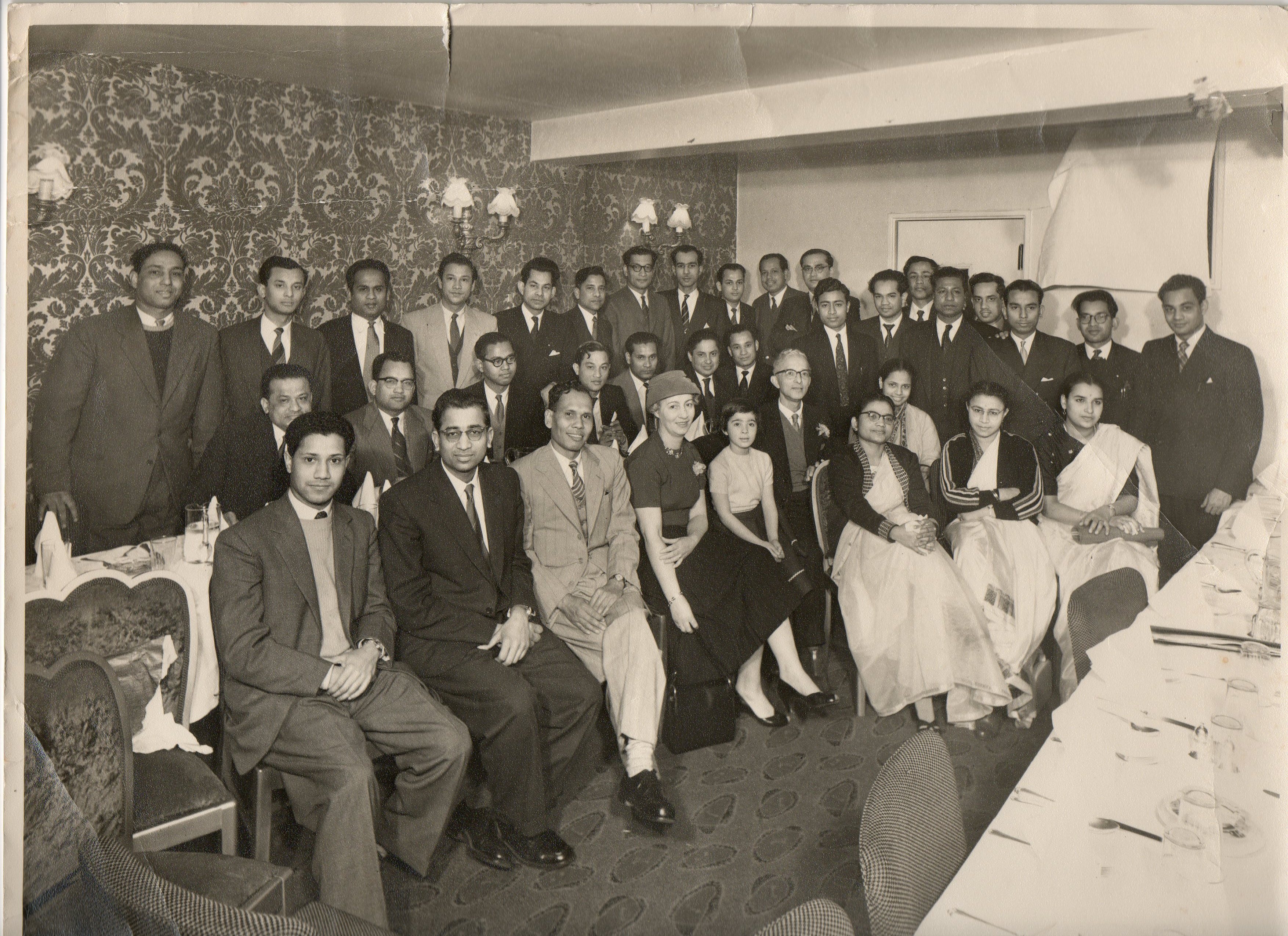
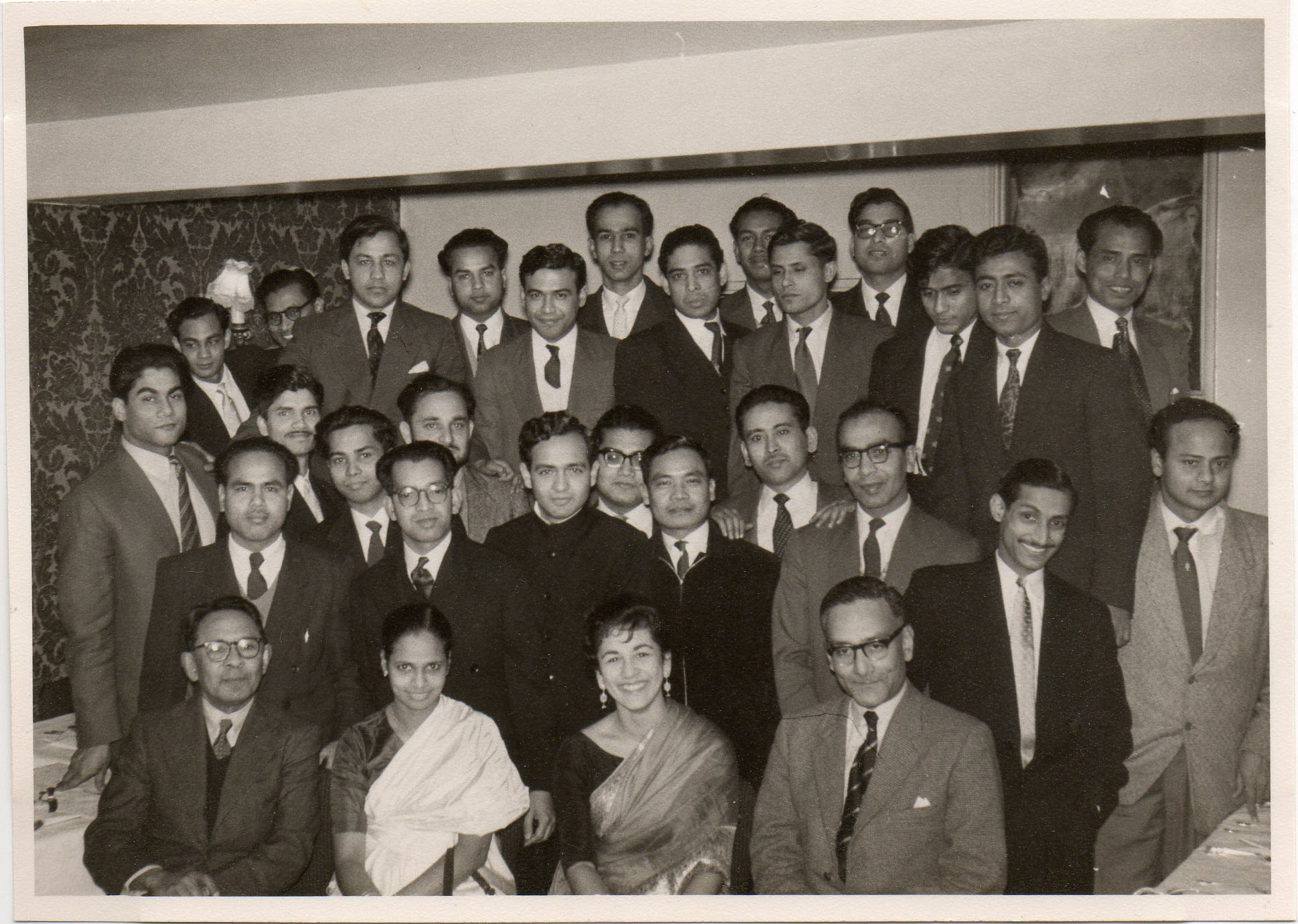
– Assamese in London celebrating Rongali Bihu in the late 1950’s (photo courtesy: Mrs Nafisa Hussain)
BIHU TODAY
While Bihu is specifically an Assamese festival, Bihu celebrations have travelled a very long way from the agricultural-led rural villages of Assam valleys. They, nowadays, take place in their own shape and form across the world wherever there are Assamese diaspora.
In the UK, Rongali Bihu coincides with spring. The London Bihu Committee organises celebrations around 14 April. They bring the UK Assamese community together for Bihu Geet, Husori, and Bihu Bhoj. The Assamese diaspora in London will ensure that our ‘Otikoi Senehor Bihu‘ remains the heart and soul of our community for generations, honouring the traditions of Assam
 London Bihu Committee